

The Financial Avoidance Era
A gentle reflection on scarcity mindset, money mistakes, stability, and all the lessons I wish I knew at the start of my 20s (instead of the end).

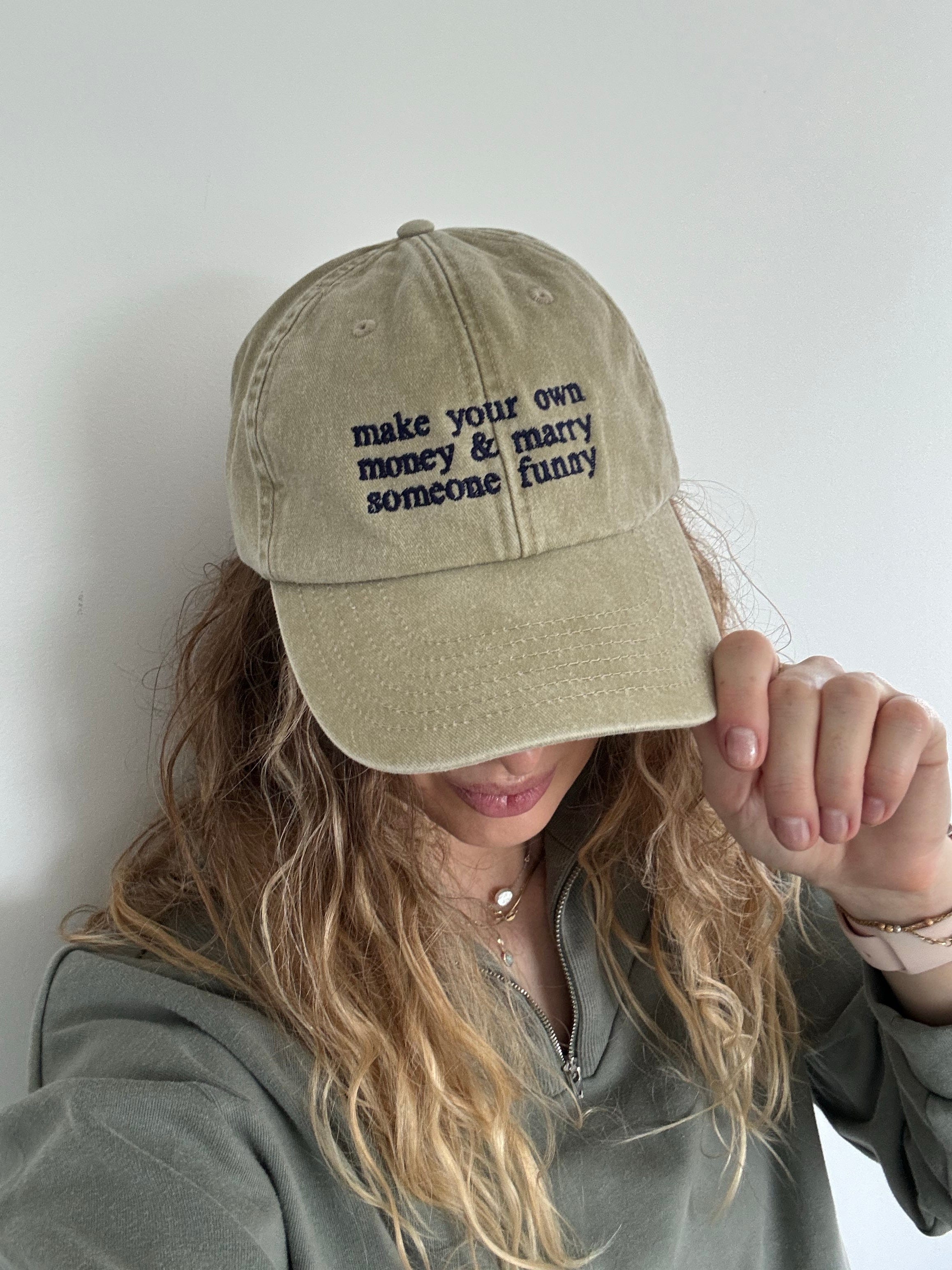
I just turned 29… which feels both too young to be reflective and too old to still be asking ChatGPT “what does my accountant mean by this?” But here we are.
There’s a quiet phenomenon happening across our generation that no one really talks about. We joke about being “bad with money” and we process our complicated feelings about our finances through shared memes. The worst thing that can happen to us on any given day is getting a ‘New myGov inbox message.’ (We will also joke about that).
But underneath the humour, there’s something very real going on, something like, The Financial Avoidance Era – a period where money feels so overwhelming, so inaccessible, so shame-coded, and so unbelievably exhausting that many of us have simply checked out.
When you’re navigating the highest cost-of-living pressures in recent memory, when most of your parents’ financial milestones feel like fiction, when 82% of our generation reports financial stress, and when one in four young Australians has less than $1,000 in savings, avoidance isn’t surprising. It’s a form of self-protection.
But avoidance has a cost, too. And for me, that cost showed up everywhere:
in my scarcity mindset, in my fear of investing, in the “poor man pays twice” mistakes, in the impulsive purchases, in the trends I bought into, and in the opportunities I was too scared to take.
And because Gen Z is in a uniquely weird money moment, it’s worth grounding this ‘avoidance era’ inside a financial climate that no generation has had to start adulthood in before. That shapes us. It shapes our behaviour, our fears, our choices, and the way we relate to money at the most fundamental level.
So this isn’t advice, or shame, or judgement. It’s just recognition - my lived experience as a young woman who has cried about money more than once, built a charity from scratch while wondering if I could afford groceries, and slowly figured out what financial health actually looks like. Answer: it’s emotional health in disguise.
If I could start my 20s all over again… here’s what I’d do differently. And what I’d keep exactly the same.
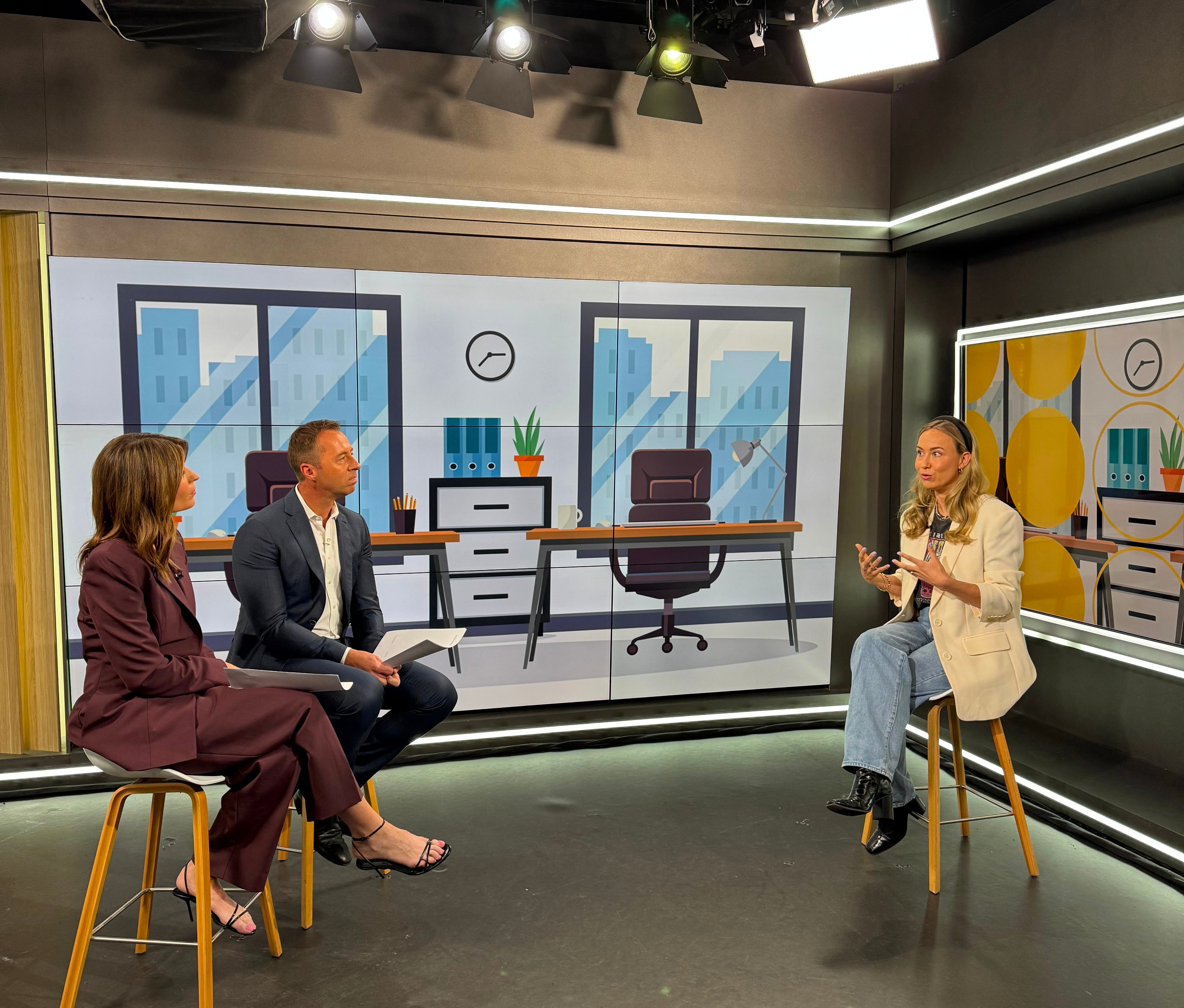
1. I’d invest earlier. Even if it felt tiny, embarrassing, or “not enough.”
I’d heard the word ‘ETFs’ being thrown around for years before I knew what they were and my inaction caused further anxiety, the more time passed. If I’m being honest, I avoided investing because I genuinely thought you needed thousands of dollars (and a finance bro brain) to start. And I didn’t have either. I had a humble savings account and two frozen meals in the freezer. It felt too hard and I “didn’t have time.”
But what I know now is:
You can use a ‘set and forget’ model of balanced auto-investing so you don’t have to get a degree in economics.
You could put aside $30 a week for 30 years, (with say, an average long-term growth rate of around 7% a year), you’d end up with roughly $147,000. Have a play with this investment calculator!
And finally, you don’t invest because you feel rich, you invest so that what you do have works twice as hard.
It’s gentle wealth – the kind that builds in the background while you’re living your life. I’ve personally been using and trusting Stockspot, (disclosure: I’m now an official ambassador, I love it that much) for 2 years and always wish I started earlier (although it’s truly never too late).
2. I’d examine my relationship with money sooner (financial health = mental health)
My early 20s were laced with a deep scarcity mindset (mostly self-induced, you can catch up here). A “save everything, spend nothing, hold your breath and hope for the best” mentality.
It made me a great saver (and a great thrifter). Truly. I can stretch a dollar further than a piece of gum at Year 7 camp. But it also cost me money.
I waited too long to replace things that were broken. I avoided paying for quality. I skipped opportunities because they felt “too expensive”. I lived the definition of the old saying: “poor man pays twice.”
Scarcity makes you cautious, but what I’ve learned is that you can’t budget your way out of fear. You have to look at the fear first. And give it compassion. And then make choices from a place that feels steady (and rational) rather than panicked.
3. I’d stop buying trends that lasted 3 months (I know… the temptation is so real)
Every time I bought something just because it was trending, I regretted it. Every time I thrifted a high-quality, well-priced wardrobe staple, I didn’t. In fact, it’s almost like a game to me - a life hack so intertwined with my identity, I have to share my thrift wins with at least 3 people each time.
The maths is simple: trends drain your money on repeat and somehow leave you feeling emptier every time. The consumer psychology behind that cycle genuinely fascinates me - the way we buy to feel something, only to feel less. (I’ve already taken most of my frustration out on White Fox - you can read that here).
Plus, most of the things that go viral end up on Depop in six weeks anyway.
4. I’d choose experiences over things. Every time.
Even when money was tight, the things I remember aren’t the things I bought. They’re the people, the places, the late nights, the early flights, the “I’ll figure it out when I get there” moments.
I’ve never once regretted spending money on an experience. I have absolutely regretted spending money on a stupid polyester dress I wore once.
4. b) I’d remind myself that travel is the absolute best thing you can spend money on.
It doesn’t have to be overseas and it doesn’t have to be aspirational. But choosing to see the world (or even just a different part of your world) expands your tolerance, your empathy, your perspective, your resilience. It made me realise how big life actually is, and how small my worries were in the grand scheme of things.
5. I’d “loud budget” way earlier
Gen Z coined “loud budgeting,” but I only recently started practising it. Essentially, it just means being honest about your financial boundaries. It means reclaiming power by taking control of your money out loud.
Things like:
“I’m keeping it low-spend this month, so I’m going to skip.”
“Honestly, it’s just not in my budget right now.”
“I’m choosing the cheap-fun options at the moment.”
“I promised myself I’d stick to my budget, so I’m going to honour that.”
Saying “I’m budgeting this month” in front of people made me think I’d dissolve into dust. It didn’t.
7. I’d build multiple income streams sooner
NOT because it’s glamorous or girlboss, but because it dissolved some of my anxiety.
I didn’t start my charity ALLKND thinking it would be my salary one day. I didn’t start my personal brand thinking it would become partnerships, speaking engagements, or media work. I didn’t start consulting because I had extra time (lord knows) – I started because I needed extra stability.
And when one income stream was slow, another helped me breathe. And, apparently I’m not alone. According to ING, Gen Z are now twice as likely to have multiple income streams. Not out of ambition, out of necessity. And I get that deeply.

8. I’d learn where my money goes
Not perfectly or obsessively. Just enough to feel awake, if you know what I mean.
The exact numbers look different for everyone, but learning the basics changed everything for me:
around 25% to rent (ugh)
around 25% to living costs
around 10% to savings
around 20% to long-term investing (Stockspot auto-invest, in my case)
the rest to surviving, thriving and thrifting (yeehaw)
It was always about awareness, not rigid rules (my demand avoidance could never).
Because! You can’t change what you can’t see.
If you’re in your 20s now…
I wanna tell you something I wish someone told me: You don’t have to be perfect with money to be safe with money.
You don’t need a six-figure salary. You don’t need a polished spreadsheet lifestyle. You don’t need to have it all figured out. You just need to start.
Start small, clumsy, with $20. Start while you’re scared, even if it feels pointless.
Start even if you don’t know what you’re doing.
Your future self will be so bloody grateful.
💌 If this landed with you, maybe share it with someone you trust to be your accountability or budget buddy? Personal finance is cool!
*The important bit: This post is part of a broader partnership with Stockspot, a platform I’ve personally used and trusted for over two years. Everything here reflects my own experience only and is not financial advice.